Can Dental Crowns Be Repaired Instead of Replaced?
A damaged crown does not always mean starting over.
That surprises many patients, especially if the crown looked fine for years and then suddenly chipped while chewing a crusty piece of bread or came loose after biting down on something hard. The immediate assumption is often that the whole thing has failed. In practice, the answer is more nuanced. Some dental crowns can be repaired quite predictably. Others should be replaced without much debate. The right choice depends on what is damaged, how extensive the damage is, what material the crown is made from, and what is happening underneath it.
Dentists make this judgment every week. A crown that has a tiny porcelain chip on a back tooth is a very different problem from a crown with decay along the margin, a crack running through the structure, or a poor fit that has been trapping bacteria for months. Repair can be conservative, cost-effective, and sensible. Replacement can be the safer long-term decision. The key is knowing the difference.
What a crown is really doing
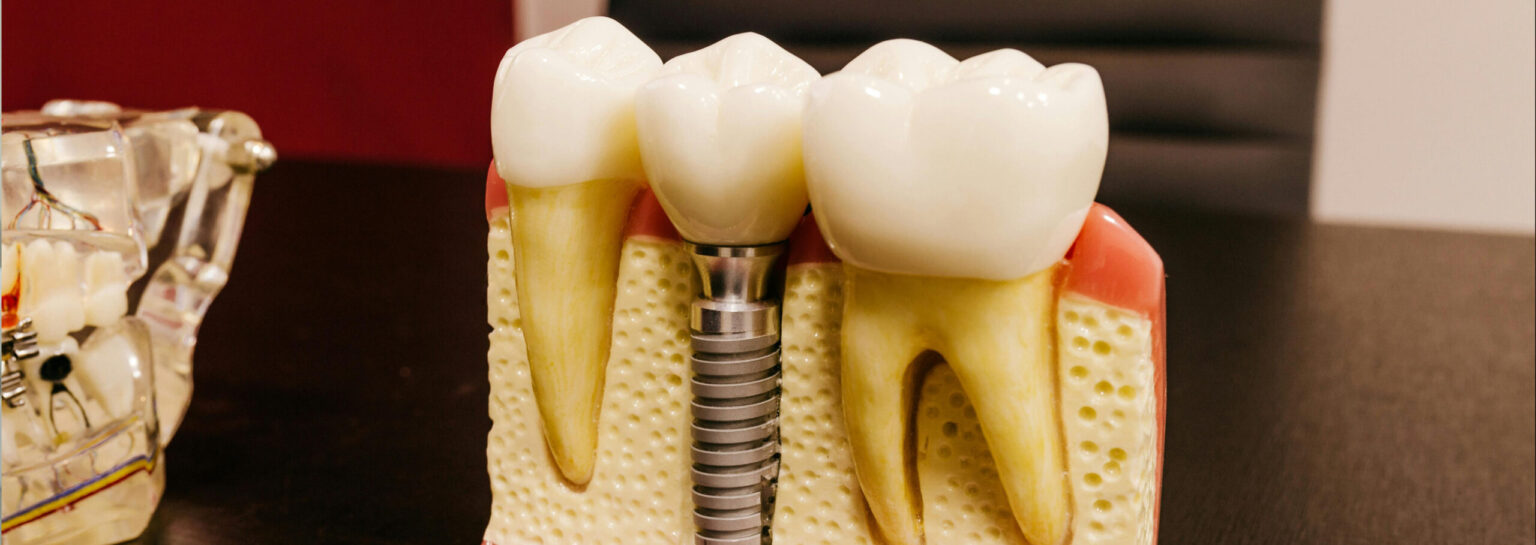
A crown is more than a cap that covers a tooth. It restores strength, shape, bite function, and appearance when a natural tooth has lost too much structure to hold up well with a filling alone. Many crowns are placed after root canal treatment, after a large fracture, or when repeated fillings have left the remaining tooth weak.
That matters because when a crown fails, the issue is not only cosmetic. The crown is part of a load-bearing system. Every bite sends force through the restoration into the tooth and the supporting bone. A repair must hold up under those forces. If it cannot, the patient ends up back in the chair quickly, often with a bigger problem than before.
Crown materials also matter. Porcelain fused to metal crowns behave differently from full ceramic crowns, zirconia crowns, or gold crowns. The same chip or crack can have very different implications depending on the material.
When a crown can often be repaired
A crown is most repairable when the problem is small, localized, and does not affect how the crown seals to the tooth. That seal at the margin is critical. If the edge where the crown meets the tooth is still intact and healthy, repair may be a very reasonable option.
Minor porcelain chipping is one of the most common examples. Front teeth and premolars sometimes develop small cosmetic chips, especially if the patient clenches, grinds, or has a bite that places stress in one spot. If the chip is shallow and the underlying structure is stable, a dentist may smooth the area, polish it, or bond a tooth-colored resin to restore the missing piece. This is often done chairside in one visit.
A crown that has come loose can also sometimes be repaired rather than replaced. If the crown itself is intact, the tooth underneath is sound, and the fit is still accurate, the crown may simply be cleaned and re-cemented. This is common with older crowns that lose retention over time. Sometimes the cement washes out gradually. Other times a sticky food pulls the crown off. If the crown seats fully and the margins still adapt well, recementation can work beautifully.
Small wear-related defects can be addressed too. A crown that has a rough spot, a tiny edge fracture, or a surface irregularity causing irritation to the tongue or cheek may need adjustment and polishing, not replacement.
In some cases, a crown that is slightly misshapen or catching floss because of a localized contour issue can be refined. That is not a repair in the dramatic sense people imagine, but it still avoids remaking the restoration.
When replacement is usually the wiser call
The strongest argument for replacing a crown is not visible damage. It is loss of integrity.
If a crown is cracked through its body, repair is often unreliable. A crack means the forces of chewing have already overcome the material at least once. Even if the crack can be disguised, the structural weakness remains. Full replacement is usually the prudent move, especially on molars, where chewing forces are high.
Decay at the edge of the crown is another common reason to replace. This is one of the most important distinctions patients should understand. The crown may look fine from the outside, but if bacteria have gotten underneath and caused recurrent decay, the problem is no longer just the restoration. The tooth itself needs treatment. The crown has to come off so the decay can be removed and the foundation Dental Crowns reassessed.
A poor fit also pushes the decision toward replacement. Crowns do not last forever. Margins can open slightly over time, the underlying tooth can wear or change, and previous dental work can create conditions that no longer support the crown properly. If a crown is rocking, leaking, trapping food, or contributing to gum inflammation, patching the visible issue does not solve the hidden one.
Then there is the matter of the tooth underneath. If the core build-up has failed, if there is a vertical tooth fracture, or if too little healthy tooth remains above the gumline, replacing the crown alone may not even be enough. In those cases, the crown problem is actually a symptom of a deeper structural problem.
The material changes the options
Not all crowns can be repaired in the same way.
Porcelain fused to metal crowns often chip in a recognizable way. The porcelain veneer can fracture while the metal substructure stays intact. If the metal is not showing in a highly visible area and the bite is still functional, smoothing the surface or adding composite resin can be a reasonable repair. It will not always look perfect, but it can buy time or even serve as a durable medium-term solution.
All-ceramic crowns can be more challenging. Their esthetics are excellent, but ceramic bonds in a technique-sensitive way. Some small chips can be repaired with composite, especially if the defect is superficial. A larger fracture or a crack through the crown usually means replacement.
Zirconia crowns are strong, but not indestructible. They may chip in layered areas or occasionally cause complications related to fit or wear against opposing teeth. Repairing zirconia requires careful surface treatment and a very deliberate bonding protocol. Some repairs work well, but dentists are often cautious because the bond can be less predictable than patients assume.
Gold crowns occupy their own category. They rarely chip. When they fail, it is often due to wear, looseness, or problems with the tooth underneath. Gold can sometimes be re-cemented very successfully, and it tends to age more forgivingly than many tooth-colored materials.
Cosmetic repair versus structural repair
This is where expectations need to be realistic.
A cosmetic repair aims to improve appearance, smooth a rough area, or close a small chip. It may look very good and function well enough, but it is not the same as restoring a crown to like-new strength.
A structural repair tries to restore a crown that must endure significant biting pressure. That is much harder. Bonded resin is useful, but it does not become identical to the original crown material. On a front tooth with light function, that may be acceptable. On a lower first molar in someone who grinds at night, it may not last.
I have seen repairs perform surprisingly well when the defect was small, the bite was favorable, and the patient understood the limitations. I have also seen beautifully done cosmetic patches fail quickly because the real issue was uncontrolled clenching. The repair itself was not poor. The environment was hostile.
That is why a good dentist does not just look at the chip. They look at the whole system, the bite pattern, wear facets, parafunctional habits, the age of the crown, and the condition of the tooth underneath.
A loose crown is not the same as a broken crown
Patients often describe any crown problem as "broken," but a loose crown is a separate category and one where repair is frequently possible.
If a crown comes off cleanly and the tooth underneath has not fractured, re-cementation may be straightforward. Timing matters. If the crown has been off for days or weeks, the tooth can shift slightly, making the old crown harder to reseat. If decay has started or the exposed tooth has been damaged, the situation changes.
What you should not do is try to solve it with household glue. That turns a manageable dental appointment into a messy cleanup. Temporary dental cement sold for emergencies can occasionally help hold a crown in place briefly, but it is still a stopgap. The crown needs to be evaluated professionally.
A recemented crown can last years if the fit is sound. It can also come off again quickly if the real issue was inadequate retention, a short tooth preparation, recurrent decay, or heavy bite forces. The difference only becomes clear when the dentist examines the inside of the crown and the prepared tooth.
Signs that point toward repair
There are a few situations where repair is often worth discussing first.
- The damage is small and limited to the outer surface.
- The crown margins still fit tightly against the tooth.
- There is no decay, infection, or fracture in the underlying tooth.
- The crown is otherwise relatively new and well-made.
- The tooth is in a low-stress area or the patient accepts that the repair may not be permanent.
These are not guarantees, but they form the profile of a crown that may respond well to a conservative approach.
Signs that replacement is more likely
Other situations almost always justify remaking the crown.
- A crack runs through the crown or tooth structure.
- Decay is present at or under the margin.
- The crown no longer fits properly or repeatedly comes loose.
- A large portion of the crown has broken away.
- The supporting tooth has weakened, fractured, or lost too much structure.
When one or more of these are present, a repair can become a false economy. It saves money only briefly, then costs more when the failure worsens.
What dentists check before making the call
The decision is not based on a glance across the room. A careful exam often includes visual inspection, checking the bite, testing the tooth if it is still vital, probing the gums around the crown, and taking an X-ray when needed.
The X-ray does not show every crack, but it can reveal decay under the edge, bone loss, problems around a root canal, or a failing build-up. The bite check matters because many crown fractures are force-related. If a repair is done without adjusting the contact pattern that caused the break, the same problem can recur quickly.
Shade and esthetics also factor into the plan, especially on front teeth. A tiny repair on a back molar may be nearly invisible and perfectly acceptable. The same repair on a central incisor can disappoint a patient who expected the crown to look unchanged. Material choice, translucency, and polish all affect that result.
How long do repairs last?
There is no honest one-size-fits-all number.
A polished rough edge can effectively solve the problem for the remaining life of the crown. A re-cemented crown can last many years. A bonded composite repair on a chipped porcelain surface might hold for a long time in a favorable bite, or it might stain, wear, or debond sooner than the patient hopes.
In general, repairs are less predictable than a well-made new crown, but they are also less invasive and less expensive up front. That trade-off can be entirely reasonable. If a patient has a small defect on a ten-year-old crown, for example, a repair may be a practical way to extend service life without committing to immediate replacement. If the same defect appears on a crown that already has open margins and recurrent decay, replacement is the better investment.
Think of repair as a spectrum. Sometimes it is definitive treatment. Sometimes it is a strategic delay. Sometimes it is only appropriate as a temporary measure until a new crown can be made.
The cost question patients inevitably ask
Cost influences these decisions, and it is fair to talk about that openly.
Repair is usually less expensive than replacement because it often takes less chair time, avoids lab fees, and preserves the existing restoration. Re-cementing a crown is generally one of the simpler interventions if no further treatment is needed. Bonding a chip may also be modest compared with a full remake.
But cost should be weighed against longevity. A cheap repair that fails in six months and leads to a more complicated replacement is not truly cheaper. On the other hand, replacing every chipped crown automatically can be unnecessarily aggressive. The best value is not the lowest number on the day of treatment. It is the option that gives a stable result with the least unnecessary dentistry.
The role of grinding and bite forces
This factor gets overlooked more often than it should.
A patient who grinds at night can fracture a crown repeatedly, even when the crown itself is well made. Repairs in these cases tend to fail unless the force issue is addressed. Sometimes that means adjusting the bite. Often it means wearing a night guard. Without that, the crown remains in the same stress pattern that caused the original damage.
I have seen patients replace crowns several times on the same tooth before anyone seriously addressed bruxism. Once the force pattern was managed, the cycle finally stopped. It was not magic. It was mechanics.
If your crown chipped and you also wake with jaw soreness, see flattened teeth, or notice that old fillings keep breaking, force may be the underlying story.
What to do if you think your crown is damaged
Do not wait too long, especially if there is pain, sensitivity, or a loose feeling when you chew. Small problems stay small only if they are assessed early. A crown with a minor chip today can become a cracked tooth tomorrow if the bite catches the weak spot repeatedly.
Try to save any piece that broke off and bring it to the appointment. Sometimes it helps identify the material or extent of the fracture. Avoid chewing hard foods on that side. If the crown comes off completely, store it safely and keep the area as clean as possible until you can be seen.
Most importantly, resist the temptation to judge the problem by appearance alone. Crowns can look better than they are, and occasionally worse than they are. A tiny visible flaw may be harmless. A crown that looks nearly normal may be leaking underneath.
The answer most patients actually need
Yes, dental crowns can sometimes be repaired instead of replaced. That option is often appropriate for small chips, surface defects, and crowns that have simply come loose while remaining intact. It is less appropriate omnidentalspecialty.com Dental Crowns when the crown is cracked, decayed around the edges, poorly fitting, or sitting on a compromised tooth.
The best decisions in restorative dentistry are rarely automatic. They depend on the material, the location in the mouth, the way the patient bites, the age of the crown, and what lies beneath it. Conservative treatment has real value, but only when it respects the biology and mechanics of the tooth.
If your dentist recommends repair, ask whether the goal is long-term correction or short-term stabilization. If replacement is advised, ask what specific finding made repair unreliable. Those conversations are usually more useful than the broad question of whether crowns can be fixed.
They can, sometimes very successfully. The art lies in knowing when that is enough, and when it is not.
Omni Dental Specialty
1690 E Gonzales Rd, Oxnard, CA 93036, United States
+1 805-410-9603
FAQ About Dental Crowns
How long do crowns last on teeth?
A dental crown often lasts about five to fifteen years, although some last longer. Material, the underlying tooth, oral hygiene and grinding habits affect longevity. Regular dental examinations help identify wear, decay or a loose crown; no lifespan is guaranteed.
How much does a tooth crown cost?
There is no single price for every crown. Material, laboratory work, the condition of the tooth and any additional treatment affect the fee. Ask for a written estimate and confirm your insurance benefits, exclusions and out-of-pocket costs before treatment.
What is the downside of crowns on teeth?
A conventional crown usually requires irreversible removal of some tooth structure. Possible problems include sensitivity, chipping, loosening and decay at the crown margin; some teeth later need root canal treatment. Discuss your tooth's condition, material choices and suitable alternatives with your dentist.