Dental Crowns Oxnard CA: Why Early Treatment Matters
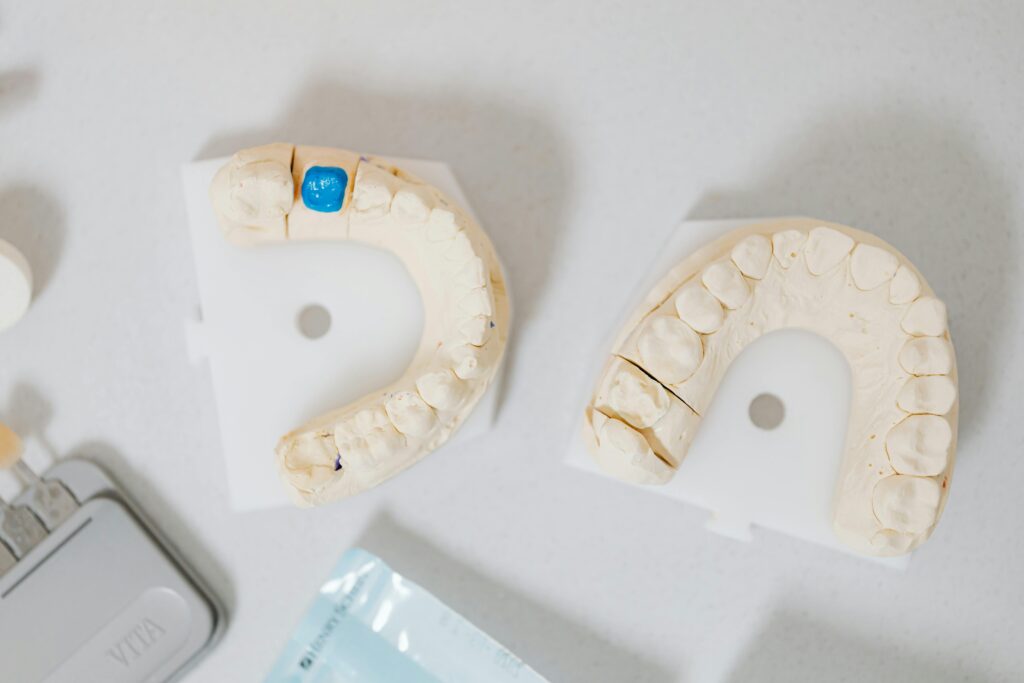
A dental crown rarely becomes urgent overnight. Most of the time, the need builds quietly. A tooth cracks along one edge. An old filling starts to leak. Chewing on one side feels a little different, then a little worse. Many people put it off because the tooth is not causing severe pain, or because life is busy and dental care slips down the list. That delay is often where small, manageable treatment turns into something more involved.
In practice, timing matters as much as the crown itself. When a tooth is treated early, a dentist often has more healthy structure to work with, fewer symptoms to calm down, and a better chance of preserving the tooth without root canal therapy or extraction. For patients looking into Dental Crowns Oxnard CA, that is the part worth understanding before a minor problem becomes a major one.
A crown is not simply a cap placed for cosmetic reasons. It is a full-coverage restoration designed to protect and reinforce a damaged tooth. In the right case, it restores strength, shape, and function. In the wrong timing, after too much damage has already occurred, it can become one step in a longer and more expensive chain of treatment.
What a crown actually does
A healthy tooth handles a surprising amount of force. Biting into toast, chewing meat, grinding at night, clenching during stress, all of that pressure gets distributed through enamel and dentin in a very specific way. Once a tooth loses enough structure, its risk profile changes. The tooth may still be present, but it no longer behaves like a sound tooth.
That is where a crown helps. It covers the visible part of the tooth and holds it together when a large filling, fracture, or weakened cusp leaves it vulnerable. Think of it less as cosmetic coverage and more as structural engineering for the mouth. Crowns are often recommended after extensive decay, following root canal treatment, for cracked teeth, to replace failing large restorations, or to restore worn and broken teeth that can no longer be predictably maintained with a simple filling.
Patients sometimes ask why a filling is not enough. Sometimes it is. But once the missing or compromised portion becomes too large, a filling can act like a patch on a wall that is no longer stable. It may look acceptable at first, yet the remaining tooth flexes under bite pressure, small margins break down, and the damage continues. A crown, when chosen appropriately, can interrupt that cycle.
The cost of waiting is usually measured in tooth structure
One of the most consistent patterns in dentistry is this: the earlier a tooth is treated, the more conservative the solution tends to be. That does not mean every small issue needs immediate major work. It means teeth usually do not improve on their own, especially when the problem involves decay, cracks, or failing restorations.
A patient may notice a sharp twinge on cold drinks near a back molar. The tooth has an old silver filling placed years ago, and a hairline crack has formed around one cusp. At this stage, the nerve may still be healthy, and the crack may be confined enough that a crown can stabilize the tooth. If the same patient waits six months while continuing to chew on that side, the crack may deepen, the cusp may shear off, or bacteria may seep further inside. What was once a straightforward crown case can become a root canal and crown case, or even an extraction if the crack extends below the gumline.
That distinction matters. The difference between placing a crown on a restorable tooth and trying to save a badly compromised one is not subtle. It affects time, comfort, long-term predictability, and cost.
Why symptoms can be misleading
Pain is not a reliable early warning system. Some damaged teeth hurt a lot when the issue is still reversible. Others remain almost silent while significant decay spreads under an old filling or while a crack progresses in a way that has not yet inflamed the nerve.
This is one reason routine exams and X-rays matter. A dentist may see a large recurrent cavity under a crown or filling before the patient feels anything meaningful. By the time spontaneous pain, throbbing, or waking at night begins, the nerve may already be inflamed beyond recovery. Many people assume that no pain means no urgency. Clinically, that is one of the more expensive assumptions.
Another reason symptoms can confuse people is that cracked teeth often behave inconsistently. The patient may feel a brief zing when releasing pressure after chewing something hard, then nothing for days. Temperature sensitivity may come and go. Because the pain is intermittent, it is easy to dismiss. Yet intermittent symptoms are common in teeth that eventually fracture more seriously.
Common situations where earlier crowns make a difference
Dentists do not place crowns on every weakened tooth, and good care is not about overtreatment. Judgment matters. Still, there are certain situations where earlier intervention is especially valuable because delay tends to narrow the treatment options.
- A tooth with a very large filling and thin remaining walls
- A cracked molar that hurts on chewing but is still restorable
- A tooth after root canal therapy that now needs protection from fracture
- Significant wear from grinding or clenching that has thinned the enamel
- Recurrent decay around an old restoration that is too extensive for another filling
Each of these situations carries its own nuance. A front tooth may need a different material choice than a heavy-function molar. A patient who grinds at night may need a night guard to protect the new work. Someone with dry mouth and high cavity risk may need more aggressive preventive planning around the crown margins. The principle is the same, though. The sooner the structural problem is addressed, the more predictable the outcome usually becomes.
The Oxnard factor: habits, schedules, and delayed care
Every community has its own patterns, and dental decision-making is shaped by everyday life. In a coastal city like Oxnard, many patients are balancing work, family obligations, commute time, and rising household expenses. Dental visits often get postponed for practical reasons rather than neglect. People wait until after a busy season at work, after a child’s school schedule calms down, after an insurance renewal, after a vacation. Months pass quickly.
The problem is that teeth operate on biology, not calendars. Decay does not pause because someone is between jobs. A cracked cusp does not stay stable because summer is busy. For patients searching for Dental Crowns Oxnard CA, timing can be the difference between preserving a tooth in one treatment sequence and entering a longer process involving emergency pain visits, antibiotics that do not solve the structural issue, root canal therapy, gum treatment, or extraction and replacement.
I have seen patients who meant to come back in six weeks and returned ten months later with a completely different clinical picture. That is not unusual. A crown recommendation is often based on what the tooth looks like now, not what it will look like after another season of hard chewing and bacterial exposure.
Early treatment often means more options, not fewer
Some people hear that a crown is recommended and assume the tooth is already in bad shape. Often, the recommendation is made precisely because the dentist wants to keep it from getting to that point.
If a tooth still has enough healthy structure, there may be flexibility in how it is restored. Material choices can be tailored to the bite, the location in the mouth, and esthetic needs. The preparation may be more conservative. The margins may be easier to place in a cleaner, drier, more accessible area. The gum tissue may be healthier and less inflamed. All of this increases the odds of a better fit and longer service life.
Once damage progresses, options tend to shrink. Deep decay near the nerve can reduce the chance that the tooth stays vital. A fracture extending under the bone may eliminate the possibility of saving the tooth altogether. An adjacent tooth may even be affected if food packing and shifting bite patterns continue long enough.
There is also a practical side that patients appreciate once they go through it. Simpler treatment is easier to schedule and recover from. Fewer appointments, fewer surprises, and fewer added procedures matter in real life.
Not every crown is the same
When people compare prices online, they often Dental Crowns Oxnard CA assume a crown is a single standardized product. It is not. The long-term success of a crown depends on diagnosis, preparation design, material choice, bite management, margin quality, lab work or milling accuracy, and how well the surrounding mouth is maintained.
A crown on a heavily loaded lower molar may need a material selected for strength and wear characteristics. A front tooth demands careful esthetics, shade matching, and translucency. A tooth with minimal remaining structure might need a build-up before the crown can even be placed properly. A patient with gum recession or a very deep cavity margin may require extra planning to create a restoration that can be kept clean.
That is another reason early care matters. Dentists do their best work when they are not fighting advanced breakdown. Restoring a tooth before it becomes a rescue case usually produces better margins, better tissue response, and better long-term maintenance.
When people wait because they hope the problem will settle down
This is probably the most common form of delay. A patient bites on something hard, feels pain for a few days, then the tooth calms down. The thought process is understandable: maybe it was just irritated. Maybe I should wait and see.
Occasionally that happens, but structurally compromised teeth rarely repair themselves. Symptoms can quiet down because the inflammation fluctuates, because the patient unconsciously starts chewing on the other side, or because the crack has changed in a way that alters how force travels through the tooth. Relief does not always mean healing.
A useful rule of thumb is that changes in function deserve evaluation. If a tooth feels different when biting, catches food unexpectedly, becomes more temperature-sensitive than its neighbors, or has lost a large portion of filling material, waiting usually carries more downside than benefit.
What the process usually looks like
Many patients are less worried about the crown itself than about not knowing what to expect. The good news is that crown treatment is routine in general dentistry, and when the tooth is addressed before things deteriorate, the sequence is often straightforward.
- The tooth is examined, often with X-rays and bite testing if cracks are suspected
- If the tooth is a good candidate, the dentist reshapes it and removes compromised areas
- An impression or digital scan is taken, and a temporary crown is placed in many cases
- The final crown is made from the chosen material and then cemented or bonded
- The bite is adjusted carefully, because small high spots can make a big difference
The details vary by office and by case. Some practices use same-day technology for certain crowns, while others rely on a trusted lab. Neither approach is inherently superior in every situation. Fit, material selection, and clinical execution matter more than whether the crown is delivered the same day or at a second visit.
Why bite forces matter more than many people realize
A crown does not exist in isolation. It becomes part of a very dynamic system. If someone clenches while driving, grinds during sleep, chews ice, or favors one side of the mouth because of another sore tooth, the new crown will feel those forces immediately.
This is where early treatment again creates an advantage. If the tooth is restored before the crack worsens or the bite shifts dramatically, the crown can be designed to support the tooth under more normal conditions. If treatment is delayed until a patient has been compensating for months, the bite may be harder to balance, the opposing teeth may have shifted slightly, and the stressed tooth may be more symptomatic even after restoration.
Night guards are sometimes dismissed as optional upsells, but in heavy grinders they can make a meaningful difference in protecting crowns and natural teeth alike. Dentistry works best when the cause of damage is addressed alongside the repair.
The financial argument for sooner care is stronger than it looks
Nobody likes surprise dental expenses, and it is reasonable to think carefully before proceeding with treatment. But there is a difference between being cost-conscious and letting a manageable issue become an expensive one.
A crown by itself may represent a significant investment. A crown plus root canal therapy is more. Extraction followed by an implant, abutment, and crown is usually far more. Even a bridge or partial denture, when a tooth is lost, changes the financial and biological equation. The true cost of delay is often not the crown, it is the additional treatment created by avoidable deterioration.
There is also the hidden cost of emergencies. Lost work hours, urgent visits, temporary medications, interrupted sleep, and trying to function with pain all add up. People rarely calculate that part at the outset, but they feel it later.
Questions worth asking at a crown consultation
A good consultation should leave the patient with a clear sense of why the crown is being recommended now, what alternatives exist, and what risks come with waiting. If the explanation feels vague, it is fair to ask for more detail. Dentists should be able to show the large filling, the crack line, the recurrent decay on the X-ray, or the areas of wear that support the diagnosis.
Patients often benefit from asking a few direct questions. Is the tooth still alive and healthy at the nerve level? If we wait three to six months, what are the likely risks? Would a filling be predictable, or is the remaining structure too weak? What material do you recommend for this location, and why? Will I need a night guard after treatment?
Those questions shift the conversation from abstract treatment acceptance to practical decision-making. That is where better choices get made.
A crown is a restoration, not a free pass
Once the final crown is placed, the tooth still needs care. Crowns do not decay, but teeth do, especially at the margins where crown meets natural structure. Flossing, brushing, managing dry mouth, and keeping cleanings on schedule remain important. So does paying attention to changing bite or new sensitivity.
Some crowns last well over a decade. Some last much longer. Their lifespan depends on material, bite forces, oral hygiene, cavity risk, and the condition of the underlying tooth. Patients sometimes think a crowned tooth is permanently solved in the same way a replaced car part might be. Biologically, it is more complex than that. The goal is durability, not invincibility.
Why timely care protects more than one tooth
An unstable tooth affects neighboring teeth and the bite as a whole. When people chew away from a sensitive side, they overload other areas. When a fractured surface traps food, the gums around that tooth can become inflamed. When a tooth breaks down enough to shift contacts, adjacent teeth may drift slightly or become harder to clean.
This is one reason dentists care about a single damaged molar even if the patient says, "I can still chew on the other side." The mouth compensates, but compensation comes with wear. Saving one tooth early can prevent a chain reaction that reaches farther than expected.
Choosing the right timing in real life
There are cases where monitoring is reasonable. A small crack line with no symptoms and no structural compromise may simply be watched. A tooth with a moderate filling might not need a crown yet. Good dentistry is not about placing crowns whenever a tooth looks less than perfect.
But when a dentist identifies a pattern of weakness that is likely to worsen under function, especially in a heavily used back tooth, early treatment is often the more conservative decision even if it feels more proactive in the moment. That is the paradox many patients miss. Waiting can feel like restraint, but biologically it can lead to more aggressive dentistry later.
For anyone considering Dental Crowns Oxnard CA, the core issue is not just whether a crown can be done. It is whether the tooth is being treated while the odds are still in your favor. If the answer is yes, that timing can preserve tooth structure, reduce future treatment, and protect function in a way that becomes obvious only when compared with the consequences of delay.
Teeth tend to reward decisiveness when the diagnosis is clear. A crown placed at the right moment is often less about repairing damage than about stopping it from becoming something much harder to fix.
Omni Dental Specialty
1690 E Gonzales Rd
Oxnard, CA 93036, United States
Phone: +1 805-410-9603
FAQ About Dental Crowns Oxnard CA
What is the average cost of a crown in California?
The fee depends on the crown material, tooth condition and any additional treatment. Request an itemized estimate from Omni Dental Specialty after an examination, and confirm insurance benefits before scheduling.
How long do dental crowns last?
Longevity varies with the material, fit, oral hygiene and biting habits. Regular dental reviews help identify wear, damage or decay. A crown does not need replacement solely because it reaches a particular age.
Do teeth go bad under crowns?
Decay can develop in the remaining natural tooth, particularly near the crown margin. Brush with fluoride toothpaste, clean between teeth daily and keep dental appointments. Report new pain or looseness promptly.
Which crown is best for bruxism?
No material suits everyone. Your dentist assesses grinding, tooth position, bite forces and appearance before recommending a crown. A protective appliance may also be recommended to manage stress on the restoration.