The Step-by-Step Process of Receiving Dental Crowns
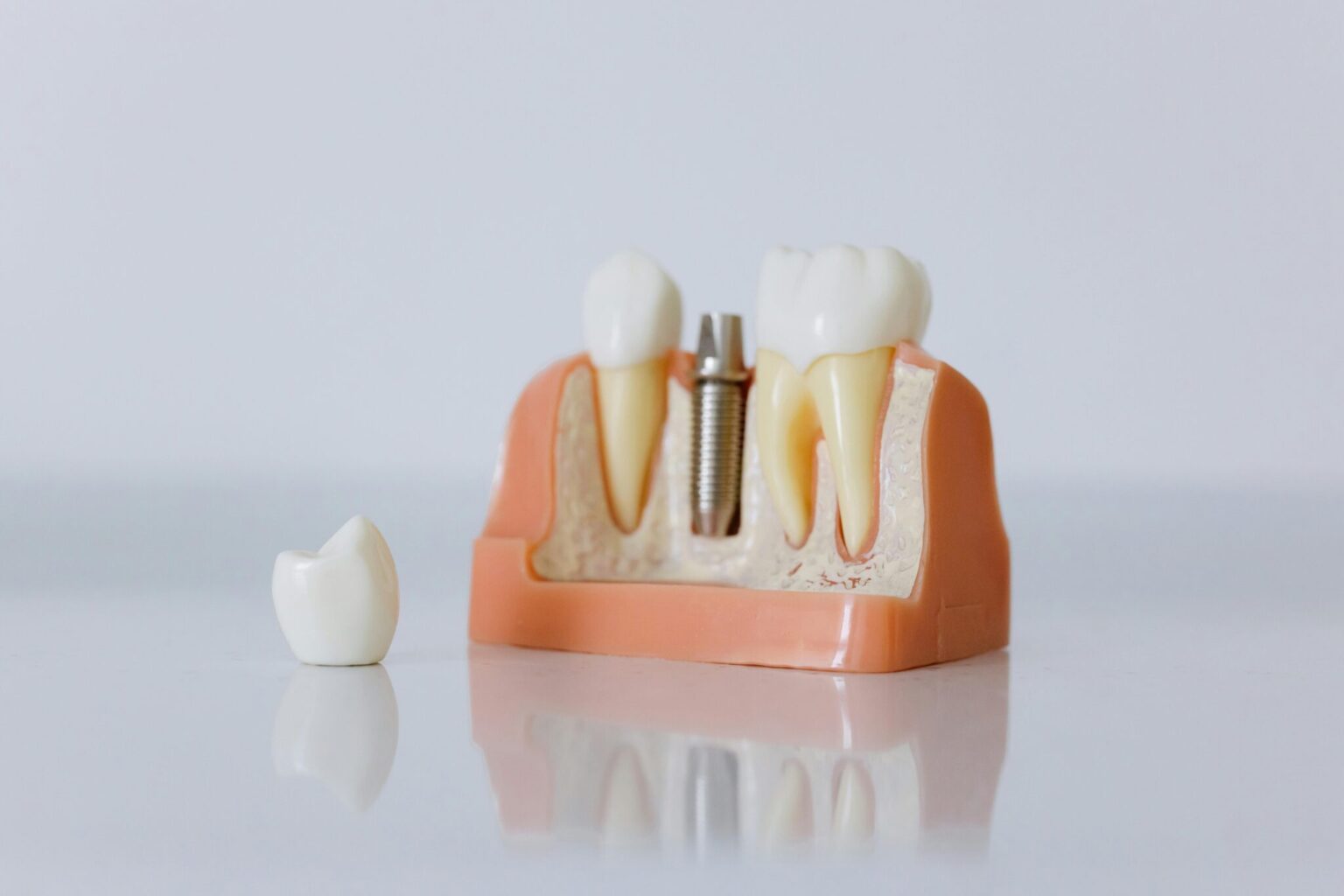
Getting a dental crown is one of the most common restorative procedures in dentistry, but patients often arrive with a fuzzy picture of what actually happens between the first appointment and the final bite check. Some imagine a cap simply glued on in a single visit. Others expect a long, uncomfortable ordeal. The truth sits somewhere in the middle. Dental crowns are routine, predictable, and highly effective when planned well, but they still require careful judgment, precise technique, and a few practical decisions that affect comfort, cost, and longevity.
A crown is not a one-size-fits-all fix. It may be recommended because a tooth has fractured, because a large filling has failed, because a root canal has left a tooth brittle, or because severe wear has reduced the tooth’s strength and shape. In cosmetic cases, crowns can also restore form and color, though conservative options such as bonding or veneers may be considered first depending on the situation. The process matters because success depends on more than the final restoration itself. It depends on diagnosis, preparation design, gum health, bite forces, material selection, and how well the temporary phase is managed.
Patients usually feel more comfortable when they know what is coming. Dentists also know that a smoother crown appointment often begins before the handpiece is ever turned on. Good expectations reduce anxiety, improve cooperation, and help people take the temporary and aftercare stages seriously. A beautifully made crown can still fail early if the tooth underneath had unresolved decay, if the patient grinds heavily without a night guard, or if the bite is left too high and the tooth is constantly overloaded.
Why a tooth ends up needing a crown
Not every damaged tooth needs full coverage. In many cases, a filling, onlay, or bonded restoration can preserve more natural structure. A crown enters the conversation when the remaining tooth is no longer strong enough to hold up predictably under daily chewing forces. Back teeth are especially vulnerable because they absorb substantial pressure. Molar teeth in heavy grinders can experience forces strong enough to crack weakened enamel or split cusps that have already been undermined by old fillings.
A classic example is the patient who bites into something ordinary, a crust of bread, a nut, even a soft granola bar, and suddenly feels a sharp jolt. The tooth may have had a large silver filling placed twenty years earlier. Over time, the surrounding enamel flexed, tiny cracks formed, and one cusp finally gave way. In that setting, another large filling is often the cheaper short-term option and the more expensive long-term mistake. The tooth Dental Crowns has already shown it cannot support itself well.
Root canal treated teeth also come up often in crown discussions. Once a tooth has needed endodontic treatment, it has usually lost a fair amount of internal structure, and the remaining walls can become more susceptible to fracture. A crown is frequently advised to brace the tooth and reduce the risk of a catastrophic break. That recommendation is especially common for premolars and molars, which take the brunt of chewing load.
The examination and planning phase
The crown process starts with an assessment, not a drill. The dentist needs to determine whether the tooth is restorable, whether the nerve is healthy or already compromised, and whether the surrounding gum and bone support are adequate. X-rays help reveal decay between teeth, previous fillings extending deep below the surface, signs of infection at the root tip, or cracks that may not be visible clinically.
This stage also involves a practical conversation about goals. Some patients care most about strength. Others care most about appearance, especially when a front tooth is involved. Some want to avoid visible metal at all costs. Others want the most durable option for a heavily loaded back tooth and are comfortable with trade-offs that may come with that choice.
Material selection often flows from this discussion. All-ceramic crowns can look excellent, especially in visible areas. Zirconia crowns are popular for their toughness and increasingly good esthetics. Porcelain-fused-to-metal crowns still have a place in certain clinical situations, though many practices now use them less often than they once did. Gold and high noble metal crowns remain among the most forgiving and durable restorations in the right posterior case, though fewer patients choose them for obvious cosmetic reasons. A seasoned dentist weighs appearance, available space, bite pattern, and the amount of remaining tooth before recommending a material.
If the tooth has symptoms such as lingering sensitivity to cold, pain on biting, or spontaneous aching, the conversation may also include the possibility of root canal treatment either before the crown or afterward if the tooth does not settle. Patients appreciate hearing this before the procedure rather than being surprised later. Not every sensitive tooth needs endodontic treatment, but deep decay and extensive preparation can sometimes irritate the pulp beyond recovery.
Preparing for the first crown appointment
Most crown procedures are done with local anesthesia. For many patients, this is the part they dread most, yet the actual numbing process is usually shorter and easier than expected. Topical anesthetic is often placed first to reduce the sensation of the injection. Once the tooth and surrounding tissues are fully numb, the appointment becomes much more manageable.
Before preparation begins, the dentist may record the bite, the shade, and sometimes photographs. If the office uses digital scanning, a preoperative scan may be taken to capture the original tooth anatomy. That information can help the lab design a more natural final shape. In practices that use traditional impressions, the team may place a cord or perform soft tissue management later to expose the margins clearly.
At this stage, isolation and visibility become critical. Saliva, bleeding, and inflamed gums are the enemies of precision. When patients ask why their dentist seems so particular about dry working conditions, the answer is simple: a crown is only as accurate as the details captured at the edges, where the restoration meets the tooth.
What happens during tooth preparation
The actual preparation has a straightforward goal. The dentist removes damaged areas and reshapes the tooth so the crown can fit over it with enough thickness for strength and enough taper for retention. That balance is more technical than it sounds. Remove too little tooth and the crown may be too thin, bulky, or weak. Remove too much and the tooth may become unnecessarily compromised or close to the nerve.
A properly prepared tooth often ends up looking smaller and smoother, with carefully defined margins around the base. In a front tooth, reduction must allow room for lifelike translucency and contour. In a back tooth, the design must withstand heavy chewing without creating thin spots in the ceramic. Every millimeter matters.
If decay or an old filling has left the tooth structurally deficient, the dentist may place a core buildup before moving on. This is essentially a foundation that rebuilds lost areas so the crown has something stable to sit on. In some cases, if there is not enough tooth structure above the gumline, additional procedures may be needed. These can include crown lengthening or, in root canal treated teeth, a post and core. Those are case-specific decisions, not routine steps for everyone.
Cracked teeth deserve special mention. Sometimes the crack is limited and a crown can successfully bind the tooth together. Sometimes the crack extends too far below the gum or into the root, making the prognosis poor. This is one of the harder parts of clinical dentistry because the full extent of a fracture may only become obvious during preparation. Patients generally do better when they understand from the outset that a tooth can look savable on the x-ray and still reveal a deeper problem once treatment begins.
The impression or digital scan
Once the tooth is prepared, the dentist needs an exact record so the final crown can be fabricated. This can be done with a conventional impression material or with an intraoral scanner. Both methods can produce excellent results when done well.
Traditional impressions use a tray filled with material that sets around the teeth. Digital scans use a small camera to capture a detailed three-dimensional model. Many patients prefer the scanner because it avoids a bulky tray and the sensation of impression material near the throat. From the clinician’s side, digital workflows can improve communication with the laboratory and make remakes less likely when the scan is clear and the margins are visible.
Accuracy depends heavily on tissue control. If the gums are puffy or bleeding, the margin may not be captured properly. This is one reason dentists sometimes emphasize flossing and gum care before major restorative work. Healthy tissue is not just good for the mouth in general, it directly affects the fit of the crown.
A bite record is also taken so the lab can relate the upper and lower teeth correctly. If that relationship is off, the crown may arrive high in the bite, awkward in contact, or improperly aligned with the chewing pattern.
Living with a temporary crown
Most crowns are not delivered the same day, so a temporary crown is placed after the impression or scan. Temporary restorations do more than fill space. They protect the prepared tooth, reduce sensitivity, maintain the position of neighboring teeth, and preserve the shape of the gums while the final crown is being made.
Patients often underestimate this stage. A temporary crown is not meant to be as strong as the final one, and it usually relies on weaker temporary cement so it can be removed easily. That means a little extra care is wise.
- Chew on the opposite side when possible for the first day or two.
- Avoid very sticky foods such as caramels, taffy, and some chewing gums.
- Brush normally, but floss gently and slide the floss out rather than snapping it upward.
- Call the office if the temporary feels high, comes loose, or the tooth develops significant pain.
A temporary that falls off is not always an emergency, but it should not be ignored. Teeth can drift surprisingly quickly, and even a small movement can make the final crown harder to seat. I have seen cases where a crown that fit perfectly in the lab no longer dropped into place because the temporary had been off for a week and the adjacent tooth tipped just enough to create trouble.
It is also common for the tooth to feel slightly temperature-sensitive during this phase. Mild tenderness around the gumline or some awareness when biting is not unusual in the first couple of days. Sharp pain, worsening throbbing, or inability to chew should be evaluated promptly.
What the dental lab is doing behind the scenes
While the patient goes back to daily life, the case moves into a highly technical phase. The dental laboratory or in-office milling system uses the scan or impression to fabricate the final restoration. In a lab setting, technicians shape contacts, contour anatomy, refine margins, and develop surface texture and shade characteristics. On highly visible front teeth, this artistry matters enormously. A crown that is technically sound but flat, opaque, or over-polished can stand out immediately in conversation.
The lab also works within the mechanical limits of the chosen material. Some ceramics need more thickness for strength. Some are milled and then sintered. Some are layered for better esthetics but require careful support so porcelain does not chip. This is why dentists who provide consistent, detailed prescriptions and high-quality records tend to get better crown results over time. The crown process is collaborative. It is not a vending machine transaction.
Turnaround times vary. One to three weeks is common for many outside labs, though some offices offer same-day crowns using chairside CAD/CAM systems. Same-day crowns can be excellent in well-selected cases, especially single posterior teeth with straightforward margins. More demanding cosmetic cases often still benefit from a skilled ceramist’s hand.
The delivery appointment
When the final crown returns, the second major visit begins with removing the temporary and cleaning the tooth thoroughly. The dentist then tries in the crown to evaluate several things at once: marginal fit, contact points with neighboring teeth, overall contour, shade, and bite.
This part may seem meticulous because it is. A crown can look beautiful on the model and still need adjustment in the mouth. If the contacts are too tight, floss will shred or the crown may not seat fully. If they are too loose, food can pack between the teeth. If the bite is high, the tooth may feel like it hits first every time the patient closes. That can lead to soreness, headaches, or even a fractured restoration in worst cases.
Patients are often asked to bite on thin marking paper repeatedly while the dentist checks colored contact marks. Tiny adjustments make a big difference. Front teeth introduce another layer, phonetics. Certain sounds, especially “s” and “f,” can reveal whether length and position are slightly off.
If all is well, the crown is cemented or bonded depending on the material and clinical plan. Resin cements are often used for certain all-ceramic restorations where bonding adds retention and support. Conventional cements remain appropriate for many other crown types. The tooth is isolated, the internal surface of the crown may be treated or primed, and the restoration is seated firmly. Excess cement is cleaned away carefully, especially around the gumline and between the teeth.
Right after the crown is placed
Once numbness wears off, the crown should feel like part of the natural dentition fairly quickly, but a short adjustment period is normal. The gums may be mildly irritated from the procedure. The tooth can feel tender if it had a deep cavity, a large old filling, or significant bite adjustments. Most patients settle within a few days.
A useful rule of thumb is that awareness should trend downward, not upward. If the crown feels slightly noticeable on day one and much more natural by day four, that is reassuring. If it becomes increasingly painful to chew, or if cold lingers for many seconds, the office should know. Sometimes the fix is simple, just a minor bite refinement. Other times the nerve inside the tooth is struggling and needs further treatment.
This is also the stage where expectations matter. A crown is a restoration, not an indestructible shell. It can still chip, decement, or fracture under enough stress. Teeth with crowns can still develop decay at the margins if plaque accumulates and diet is poor. The best crowns fail early when home care and bite habits work against them.
Problems that sometimes show up, and what they usually mean
Most crown cases go smoothly, but complications do happen. Knowing the common ones makes them easier to address early rather than after months of irritation.
- Persistent sensitivity to cold or biting may indicate a high bite, pulpal inflammation, or a crack extending deeper than originally suspected.
- Food trapping between the crown and adjacent tooth often points to an open or weak contact that may need adjustment or remake.
- A dark line near the gum can occur with certain older porcelain-fused-to-metal crowns, especially if gums recede over time.
- Recurrent decay at the edge of the crown usually reflects leakage, poor hygiene, a difficult margin location, or a crown that has simply aged out.
- A crown that repeatedly comes loose may signal inadequate tooth height, cement failure, grinding forces, or an underlying fracture.
One practical example: a patient may report, “The crown feels fine when I tap it, but steak gets stuck there every time.” That description immediately suggests a contact issue more than a nerve issue. Another may say, “It feels like I hit that tooth first every time I bite.” That often leads straight to an occlusal adjustment. The language patients use is often surprisingly diagnostic.
How long dental crowns typically last
There is no honest universal number. Some crowns fail within a few years because the tooth fractures, decay forms underneath, or the patient clenches intensely and never wears a guard. Others last fifteen to twenty years or longer. In daily practice, a well-made crown on a healthy, maintainable tooth can serve for a long time, but longevity depends on variables that are impossible to control perfectly.
The big factors are material choice, the amount of remaining tooth structure, margin quality, gum health, oral hygiene, diet, and bite forces. Bruxism deserves emphasis here. Patients who grind often wear down not only natural teeth but also restorations. For them, a night guard can dramatically extend the life of dental crowns, especially porcelain-based ones.
Front teeth and back teeth also live different lives. A front crown may face more esthetic demands and different shearing forces. A molar crown may be less visible but absorb much stronger loading. That is why the “best” material differs from one tooth to another.
Caring for a crown so it lasts
A new crown should be brushed and flossed like a natural tooth, perhaps more carefully, not less. The crown itself cannot decay, but the tooth structure at the margin certainly can. Plaque tends to collect where restorations meet enamel and root surfaces, especially if the edge sits near or below the gumline.
Patients sometimes become overly protective and avoid flossing around a crown for fear of loosening it. Once the final crown is cemented properly, normal flossing is not the enemy. Neglect is. Water flossers can help in bridge cases or around difficult posterior areas, but they should complement, not replace, thorough brushing and regular professional cleanings.
If clenching or grinding is part of the picture, the discussion should include a custom night guard. This is one of those recommendations patients occasionally postpone until something breaks. It is far cheaper to protect a crown than to replace one.
Routine follow-up matters too. Small margin defects, early cement washout, or bite changes are easier to manage when caught at a recall visit than after symptoms develop. A crown rarely fails out of nowhere. There are often signs first.
The patient experience, realistically
For most people, the crown process is less dramatic than the anticipation leading up to it. The first appointment is the longest because it includes anesthesia, preparation, records, and the temporary. The second is typically shorter and more comfortable. Some patients return once more for a minor bite adjustment, particularly if they were numb during delivery and could not feel subtle contact differences clearly.
What surprises patients most is not usually pain. It is the precision involved. A good crown is measured in fractions of a millimeter. The difference between “I forget it is there” and “this feels off every time I chew” can be almost invisible to the eye. That is why crown dentistry rewards patience. Rushing the fit, skipping tissue control, or dismissing a patient’s sense that something is not right often leads to avoidable problems.
When done thoughtfully, dental crowns can restore strength, function, and appearance in a way that feels remarkably normal. The tooth that once caught every cold drink, trapped food, or threatened to crack can return to dependable daily use. That is the real value of the process. Not just placing a cap, but rebuilding confidence in a tooth that had become a liability every time the patient sat down to eat.
Omni Dental Specialty
1690 E Gonzales Rd, Oxnard, CA 93036, United States
+1 805-410-9603
FAQ About Dental Crowns
How long do crowns last on teeth?
A dental crown often lasts about five to fifteen years, although some last longer. Material, the underlying tooth, oral hygiene and grinding habits affect longevity. Regular dental examinations help identify wear, decay or a loose crown; no lifespan is guaranteed.
How much does a tooth crown cost?
There is no single price for every crown. Material, laboratory work, the condition of the tooth and any additional treatment affect the fee. Ask for a written estimate and confirm your insurance benefits, exclusions and out-of-pocket costs before treatment.
What is the downside of crowns on teeth?
A conventional crown usually requires irreversible removal of some tooth structure. Possible problems include sensitivity, chipping, loosening and decay at the crown margin; some teeth later need root canal treatment. Discuss your tooth's condition, material choices and suitable alternatives with your dentist.