What Is the Procedure for Getting Dental Crowns?
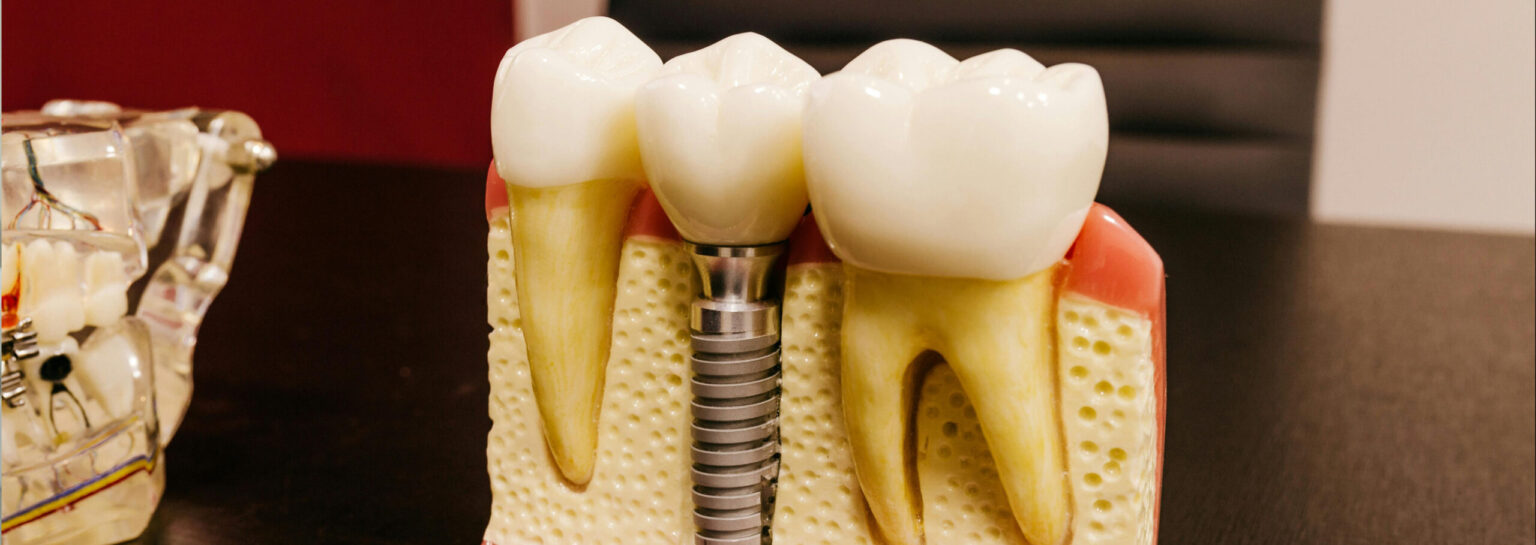

A dental crown is one of those treatments that sounds more dramatic than it usually feels. Patients often picture surgery, weeks of discomfort, or a mouth full of temporary fixes. In practice, getting Dental Crowns is a routine restorative procedure in most dental offices, but it is still a precise one. The dentist is not just covering a tooth. They are restoring shape, strength, bite function, and often appearance, all while trying to preserve as much healthy tooth structure as possible.
Crowns are recommended for several reasons. A tooth may have a large filling that no longer leaves enough solid enamel behind. It may be cracked, worn down, root canal treated, misshapen, or severely discolored. Sometimes a crown is part of a larger plan, such as anchoring a bridge or finishing an implant. The details vary, yet the overall process follows a similar path. Understanding that path helps patients know what is normal, what requires follow-up, and how to make better decisions before the tooth is prepared.
When a crown is actually the right choice
Not every damaged tooth needs a crown. Dentists usually think in terms of conservation first. If a small cavity can be restored with a filling, or a visible front tooth can be repaired beautifully with bonding or a veneer, that is often preferable. A crown becomes more appropriate when a tooth is too weak, too broken down, or too heavily restored to function reliably with a more conservative treatment.
A common example is the molar with a large old silver filling and a crack line running across one cusp. The tooth may not be broken yet, but it flexes under chewing pressure. Replacing the filling again can buy time, though not always much. A crown wraps around and protects the remaining structure in a way a filling cannot. Another familiar case is a root canal treated tooth. Once the nerve is removed and access is drilled through the center, the tooth can become more brittle over time, especially in the back of the mouth where chewing forces are high. That is why molars and premolars often receive crowns after root canal therapy.
On the cosmetic side, crowns can also help when a tooth has extensive discoloration or an awkward shape that simpler options will not correct predictably. Still, any experienced dentist weighs trade-offs. A crown requires reshaping the tooth. That means some healthy structure is removed to create room for the restoration. The decision is rarely casual.
The first visit starts long before the drill
Patients often think the procedure begins when the chair reclines and the local anesthetic goes in. In reality, the process starts with diagnosis and planning. A good crown depends heavily on what happens before the tooth is touched.
The dentist typically examines the tooth, takes X-rays, evaluates the gums, and studies the bite. If the tooth is cracked, they may ask where pain occurs, such as on chewing, on release, or with cold. If the crown is being considered after a root canal, they will want to confirm that the roots and surrounding bone look stable. If decay extends under the gumline or the tooth has very little structure left above the gums, the treatment plan may change. Sometimes a buildup, crown lengthening, or even extraction becomes part of the conversation.
Shade selection matters too, especially for front teeth. In experienced hands, this is not just choosing "white." Dentists and labs consider value, translucency, surface texture, and how the neighboring teeth reflect light. A bright opaque crown can look technically perfect and still feel wrong in a smile.
This consultation stage is also where practical questions should be asked. Will the crown be porcelain, zirconia, porcelain fused to metal, or gold? Is the office making it in-house in one day, or sending it to a lab? Will the tooth need a post and core because too little tooth remains? These are not minor details. They influence cost, longevity, appearance, and how many appointments are needed.
Preparing the tooth
For many patients, this is the part they are most nervous about. It is also the most important technical phase. The tooth has to be shaped so the crown can fit over it with the right thickness, hold securely, and meet the opposing teeth correctly when you bite.
The appointment usually begins with local anesthesia. Not every tooth requires deep numbing, but most do, particularly if the nerve is still alive. Once numb, the dentist removes old fillings, weak tooth structure, and any decay. This often reveals more than the X-ray showed. It is not unusual for a seemingly straightforward crown to become more complex once an old restoration is lifted out and hidden breakdown appears underneath.
After the tooth is cleaned up, the dentist reduces it on all sides. How much is removed depends partly on the crown material. All-ceramic crowns usually need enough space for strength and esthetics. Metal crowns generally require less reduction and can be kinder to tooth structure, though they are less popular in visible areas. The reduction has to be smooth and deliberate. A crown grips by friction and geometry as much as by cement. If the tooth is too tapered, retention suffers. If there are undercuts, the crown may not seat fully. If the margin is rough or placed poorly, the gum may remain irritated.
In some cases, the remaining tooth is too small or too hollowed out to support a crown on its own. Then the dentist builds it up with a bonded core material. Think of that as rebuilding the foundation before placing the outer shell. If a root canal treated tooth has very little structure above the gumline, a post may be placed into one of the root canals to help retain that core. Posts are useful in selected cases, but they are not automatically stronger, and experienced dentists do not place them unless they improve retention.
Capturing the shape of the prepared tooth
Once the tooth is shaped correctly, the next challenge is recording it accurately so the crown can be made to fit. This step has changed a lot over the years. Some offices still use traditional impression material, the putty-like or light-body substance that sits around the tooth in a tray. Others use digital scanners to create a 3D model.
Whichever method is used, the dentist needs a clear view of the margin, the exact edge where the crown will meet the tooth. That often means gently moving the gum tissue aside with retraction cord or a retraction paste. Patients rarely remember this part fondly, but it is crucial. A margin that is not captured cleanly can lead to an ill-fitting crown, open edges, cement washout, recurrent decay, or chronic gum inflammation.
The dentist also records the bite. A crown can fit the tooth perfectly and still fail functionally if it is too high or if it interferes with side-to-side jaw movement. Back teeth must bear force evenly. Front teeth need to guide movement without chipping. These details matter more than many people realize.
If the office offers same-day crowns, the digital scan is used to design and mill the restoration in-house. That can be convenient and efficient. Traditional lab-made crowns, however, still have advantages in many situations, especially with highly esthetic front teeth or complex cases where a skilled ceramist adds subtle anatomy and staining by hand.
Living with the temporary crown
Because many crowns are made by a dental laboratory, the prepared tooth usually needs a temporary crown in the meantime. Patients are sometimes surprised by how important this stage is. The temporary is not just a placeholder. It protects the tooth, keeps nearby teeth from drifting, helps maintain gum shape, and gives a preview of the final contour.
A temporary crown is usually made from acrylic or composite-type material and cemented with a weaker temporary cement so it can be removed later. It may feel slightly different from the final crown, and it is often less polished and less lifelike, but it should still let you function comfortably.
There are a few practical rules during this period:
- Avoid sticky foods like caramels or chewing gum, which can pull a temporary crown loose.
- Chew carefully on that side if the tooth feels tender after preparation.
- Floss gently and slide the floss out rather than snapping it upward.
- Call the office if the temporary breaks, falls off, or the tooth becomes very sensitive.
- Keep the area clean, even if it feels awkward for a day or two.
Temporary crown problems are common and usually fixable. A loose temporary does not necessarily mean the final crown will fail. It often reflects the temporary cement, the shape of the tooth, or what the patient ate. Still, it should not be ignored. An uncovered prepared tooth can shift surprisingly fast, and then the final crown may no longer fit.
The lab stage, where precision becomes visible
If the crown is sent to a lab, this is where the hidden craftsmanship happens. A technician or ceramist uses the impression or scan to make the final restoration. The best labs do not simply manufacture crowns. They interpret the case. They study the adjacent teeth, the requested material, the bite, and the dentist's reduction. If the prescription includes good photographs and shade notes, the result tends to improve dramatically.
Material selection matters here. Zirconia has become very common because it is strong and increasingly esthetic. Layered porcelain can look exceptionally natural in the front of the mouth, but it may chip more easily in some situations. Gold crowns remain one of the most durable options for back teeth, though fewer patients choose them for obvious cosmetic reasons. Porcelain fused to metal crowns still have a role, but they are less dominant than they once were.
Each material involves trade-offs. Strength, translucency, wear on the opposing tooth, thickness requirements, and repairability all come into play. The best choice depends on where the crown sits, how the person bites, whether they grind their teeth, and how much tooth is left.
Seating the final crown
The second major appointment is usually shorter than the first, but it carries its own kind of precision. The dentist removes the temporary crown, cleans the tooth, and tries in the final restoration. At this point, several things are checked carefully: fit, margins, contact with neighboring teeth, color, shape, and bite.
Fit is not judged by eye alone. Dentists use explorer tips, floss, magnification, and sometimes X-rays to make sure the crown seats fully and the edges adapt closely. A crown that looks acceptable to a patient in the mirror can still have a problematic margin.
Contacts matter too. If the crown is too tight against the neighboring tooth, floss may shred or jam, and food may trap anyway because the shape is wrong. If it is too loose, Dental Crowns food packing becomes likely and the papilla, the little triangle of gum between teeth, can become irritated. Patients often assume a crown either fits or does not. In reality, a great crown has dozens of tiny relationships that all need to land correctly.
Shade and appearance are assessed before final cementation whenever possible. On back molars, function often takes center stage. On front teeth, shape, symmetry, texture, and brightness can make or break the result. A crown can be remade if the esthetics are clearly off, but it is much easier to address concerns before cementing than after.
Once everyone is satisfied, the dentist cements or bonds the crown into place. The choice between traditional cement and adhesive bonding depends on the material, the preparation, and retention needs. Excess cement is cleaned away meticulously, especially around the gumline. Then the bite is checked again, often in both straight biting and side movements.
What recovery feels like
Most crown appointments do not require dramatic recovery. The gums may feel a bit sore, the jaw may be tired from staying open, and the tooth can be mildly sensitive for a few days. Cold sensitivity sometimes lingers longer on vital teeth, especially if the original tooth had deep decay or a large old filling. That does not always signal a problem. Teeth can be irritated by the preparation process and then settle.
The bite, however, deserves attention. Even a crown that is only slightly high can create real discomfort. Patients may describe it as the tooth hitting first, a bruised feeling when chewing, tension in the jaw, or sensitivity that worsens instead of improving. That is usually corrected with a quick adjustment. It is one of the most common reasons for follow-up after crown delivery, and it should never be dismissed as trivial.
If numbness was deep, a patient may not notice the bite issue until later that day or the next morning. That is normal. Good offices expect small refinements now and then.
When the procedure becomes more complicated
The standard crown procedure sounds clean and linear on paper, but real mouths are rarely so cooperative. Some teeth crack below the gumline once old restorations are removed. Some have decay extending so deep that isolation becomes difficult. Some are close to the nerve and become symptomatic after preparation. Others are in patients who grind heavily, clench, or have a bite that places unusual stress on the restoration.
That is where judgment matters. A dentist may stop and recommend root canal treatment before moving forward, or place a temporary crown for a longer evaluation period if the nerve seems uncertain. In other cases, the amount of remaining tooth structure may be so limited that a crown has a guarded prognosis. Patients deserve to hear that clearly. A crown can restore many teeth, but it cannot make a hopeless foundation dependable.
Gum health also changes the picture. If the margins are placed in an area of chronic inflammation, bleeding can compromise the impression, and the finished crown may irritate the tissues further. Sometimes the right answer is to stabilize periodontal health first, then proceed with the crown after the gums calm down.
How long Dental Crowns usually last
Patients understandably want a simple number. The honest answer is that longevity varies widely. Many crowns last ten to fifteen years, and plenty last longer. Some fail much earlier due to decay at the margin, fracture, cement loss, unresolved bite issues, or problems in the underlying tooth. The crown itself is only part of the story. The tooth underneath still needs care.
The patients who keep crowns the longest usually do the boring things well. They brush thoroughly at the gumline, clean between the teeth, avoid using teeth as tools, and wear a night guard if they grind. Dentists can often spot a heavy clencher before the patient mentions symptoms. Crowns in those mouths may survive, but they need protection from concentrated force.
One detail many people miss is that crowns do not protect against decay where the crown meets the tooth. Recurrent decay often starts at that margin, especially if plaque accumulates there or dry mouth is an issue. A beautifully made crown can fail because the surrounding habits or oral environment worked against it.
Questions worth asking before you commit
A crown is common, but it is still an investment of time, tooth structure, and money. Patients who ask thoughtful questions usually make better decisions and are less surprised by the process.
Here are the most useful ones to raise with your dentist:
- Why is a crown better than a filling, onlay, veneer, or other option for this tooth?
- What material do you recommend for this location, and why?
- How much healthy tooth structure is left after old fillings or decay are removed?
- Will I need a buildup, a post, or root canal treatment as part of this case?
- Is this likely to be completed in one visit or two, and what should I expect between appointments?
Those questions do not challenge the dentist. They clarify the plan. Any experienced clinician should be able to explain the rationale in plain language.
The difference between a technically acceptable crown and a truly good one
Patients often judge a crown by one thing, whether it hurts. Dentists judge by more. A truly good crown disappears into daily life. You can chew on it without thinking, floss around it without snagging, smile without noticing a mismatch, and trust that the gum around it stays calm and pink.
That kind of result depends on a chain of small successes. Correct diagnosis. Thoughtful material selection. Conservative but adequate reduction. A clear impression or scan. Reliable temporary coverage. Strong laboratory work. Precise bite adjustment. Careful cement cleanup. There is no single magic moment. The procedure works because each step supports the next.
That is also why shopping for the cheapest crown can be shortsighted. Price matters, of course, but Dental Crowns are not interchangeable commodities. The quality of planning, preparation, and finishing affects how long the restoration lasts and how natural it feels.
What patients usually remember afterward
Years after getting a crown, most people do not remember the impression material or the shade tab. They remember whether the office explained things clearly, whether the tooth settled comfortably, and whether the result matched their expectations. The procedure itself is usually uneventful. The value lies in what it restores, confidence when chewing, freedom from Dental Crowns a fractured tooth, protection for a weakened molar, or a front tooth that no longer draws the wrong kind of attention.
For a treatment so common, crown work still rewards precision and good judgment. When done well, it can be one of the most reliable restorations in dentistry. The procedure is not mysterious. It is methodical. Assess the tooth carefully, prepare it properly, capture the details accurately, protect it with a temporary when needed, and fit the final crown with patience. That is how a compromised tooth gets a second life, often for many years.
Omni Dental Specialty
1690 E Gonzales Rd, Oxnard, CA 93036, United States
+1 805-410-9603
FAQ About Dental Crowns
How long do crowns last on teeth?
A dental crown often lasts about five to fifteen years, although some last longer. Material, the underlying tooth, oral hygiene and grinding habits affect longevity. Regular dental examinations help identify wear, decay or a loose crown; no lifespan is guaranteed.
How much does a tooth crown cost?
There is no single price for every crown. Material, laboratory work, the condition of the tooth and any additional treatment affect the fee. Ask for a written estimate and confirm your insurance benefits, exclusions and out-of-pocket costs before treatment.
What is the downside of crowns on teeth?
A conventional crown usually requires irreversible removal of some tooth structure. Possible problems include sensitivity, chipping, loosening and decay at the crown margin; some teeth later need root canal treatment. Discuss your tooth's condition, material choices and suitable alternatives with your dentist.